Geodesic domes—futuristic, highly efficient spherical structures composed of interconnected triangles—have become a popular subject in architecture, engineering, and sustainability studies. As interest continues to grow in resilient, low-energy building systems, more students are choosing geodesic dome houses as the focus of their research projects, dissertations, and theses; some even search for terms like scriptie laten schrijven when they feel overwhelmed by the complexity of the topic, although proper academic support services provide a far more ethical way to get help. Yet exploring this subject in depth requires a strong understanding of geometry, environmental science, materials engineering, and architectural theory. This is where academic support services play a valuable role.
Today’s academic support landscape offers students a wide range of tools that can help them succeed without compromising academic integrity. From research consultations and writing guidance to data analysis tutoring and software training, these services empower students to handle complex subjects—such as geodesic dome design—with confidence.
1. Access to Specialized Research Resources
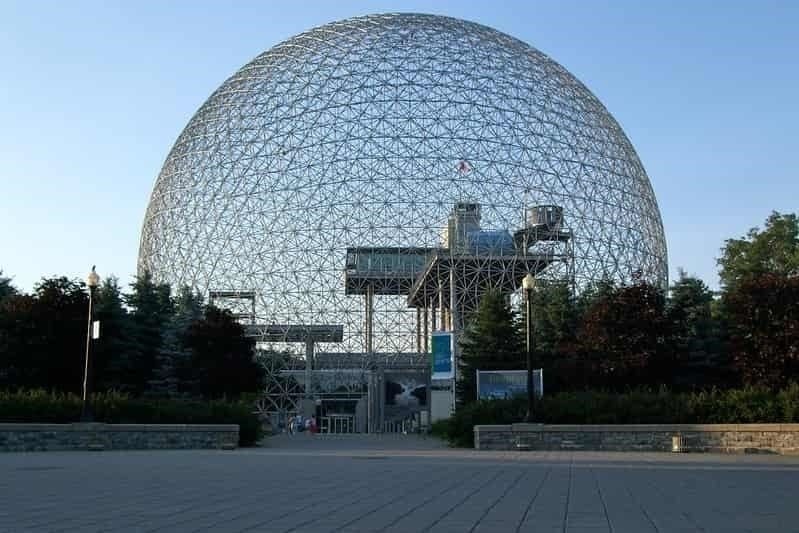
Studying geodesic domes often requires students to dig into both historical and highly technical sources. Academic support services, especially those offered by universities, help students navigate these resources effectively.
Library guidance and research consultations
Academic librarians and research specialists can help students:
-
Locate rare Buckminster Fuller publications
-
Access architectural databases such as JSTOR, ScienceDirect, and Avery Index
-
Identify credible sources on structural engineering and sustainable housing
-
Develop search strategies for niche topics (e.g., passive solar behavior in domes or tensile strength of triangular grids)
Benefit: Students save time and build a stronger foundation for evidence-based academic work.
2. Support With Technical Concepts and Modeling Tools
A significant challenge for students researching geodesic dome houses is understanding the mathematical and engineering principles behind these structures. Academic support services often include tutoring or workshops in relevant technical areas such as:
-
Structural engineering basics
-
Mathematical modeling of dome geometries
-
Environmental simulation tools
-
CAD and architectural design software (like Rhino, Revit, AutoCAD, or SketchUp)
These services help students turn abstract concepts—such as load distribution or triangular frequency—into practical design skills. For architecture and engineering students, this can dramatically improve the quality and accuracy of their project work.
3. Guidance in Research Methodology and Project Planning
A research project on geodesic domes can involve multiple methods, from qualitative case studies to quantitative energy-efficiency simulations. Academic support services help students design a solid research plan by offering:
-
Help choosing a suitable research method
-
Advice on structuring long-term projects
-
Guidance on ethical fieldwork, interviews, or site visits
-
Support in developing surveys or data collection tools
-
Assistance in interpreting architectural or environmental data
With this methodological support, students can avoid common pitfalls like unclear research questions, overly broad topics, or flawed data-collection strategies.
4. Writing Support and Feedback for Thesis Chapters
One of the most valuable—and popular—forms of academic support is writing assistance. Importantly, ethical writing support does not involve writing the thesis for the student. Instead, it focuses on developing the student’s own writing skills.
Academic writing centers can help with:
-
Structuring thesis chapters
-
Improving clarity and coherence
-
Strengthening arguments with scholarly sources
-
Editing for grammar, formatting, and academic style
-
Understanding citation rules and avoiding plagiarism
For a technical topic like geodesic dome houses, writing support ensures that complex ideas are presented clearly and professionally—something essential for both academic success and future career development.
5. Statistical and Analytical Support for Sustainability Studies
Many projects on geodesic dome houses involve analyzing environmental performance data. Students may compare energy consumption, thermal efficiency, material footprints, or cost-benefit ratios between dome homes and conventional structures. Academic support services can assist by offering tutoring in:
-
Statistical analysis
-
Data visualization
-
Software like SPSS, R, or Python
-
Sustainability metrics and evaluation frameworks
This guidance helps students draw meaningful conclusions supported by quantitative evidence—crucial for research that aims to influence sustainable building practices.
Conclusion: Empowering Students to Excel in Innovative Architectural Research
As interest in eco-friendly, resilient architecture grows, geodesic dome houses continue to attract researchers across disciplines. Academic support services play a key role in helping students succeed by providing research guidance, technical tutoring, methodology support, and writing assistance. These resources ensure that students can confidently navigate the scientific, architectural, and environmental complexities of geodesic dome design—while maintaining academic integrity and producing high-quality work.
Comments are closed